



Patagonia, the southernmost region of South America, is a land of dramatic landscapes and breathtaking natural beauty. Nestled between Argentina and Chile, this vast area offers visitors the chance to explore some of the most awe-inspiring natural wonders in the world. Whether you’re an adventure seeker, a nature enthusiast, or someone who simply appreciates the tranquility of remote places, Patagonia has something for everyone.
In this article, we will explore three of the top destinations in Patagonia that are a must-visit. From towering peaks to pristine lakes, these destinations not only showcase the stunning landscapes of the region but also offer unique experiences that reflect the culture, history, and ongoing innovations in sustainable tourism.

1. Torres del Paine National Park: A Jewel of Chilean Patagonia
Overview: Torres del Paine National Park is perhaps the most iconic destination in Patagonia, located in the Chilean side of the region. This UNESCO Biosphere Reserve is renowned for its dramatic granite peaks, turquoise lakes, glaciers, and sprawling pampas. Visitors are drawn here for its diverse ecosystems, which include forests, grasslands, and alpine environments.
What Makes It Special: Torres del Paine is often regarded as the crown jewel of Patagonia. The park’s famous granite towers – the “Torres” – give the park its name and offer some of the most striking views in the world. The park is also home to a variety of wildlife, including guanacos, pumas, foxes, and an array of bird species. For trekkers, the park offers an extensive network of trails, such as the renowned W Trek, which takes you through the park’s most stunning landscapes.
Impact of Sustainable Tourism: Patagonia is on the cutting edge of sustainable tourism, and Torres del Paine is no exception. The park has adopted numerous initiatives aimed at preserving its natural beauty, such as eco-friendly accommodations and initiatives to reduce carbon footprints. The Chilean government has worked closely with local indigenous communities to ensure that tourism brings economic benefits to the region while protecting its fragile ecosystems.
What You Can Do:
- Hiking & Trekking: The W Trek is a world-famous multi-day trek that passes through the heart of the park, providing access to some of the most iconic sites, including the Grey Glacier and the French Valley.
- Wildlife Watching: Keep an eye out for the elusive puma, or enjoy the sight of guanacos grazing in the park’s plains.
- Kayaking: Paddle through the turquoise waters of Lake Grey or along the shores of Lake Pehoé for an unforgettable view of glaciers and mountains.
Best Time to Visit: The best time to visit Torres del Paine is during the summer months, from November to March, when the weather is milder and the days are longer.
2. El Calafate: Gateway to the Glaciers
Overview: El Calafate is a charming town located in Argentine Patagonia, and it serves as the gateway to the famous Los Glaciares National Park. Known for its stunning glaciers, the town sits on the shores of Lake Argentino, providing a picturesque setting for visitors to start their journey into one of the most dramatic landscapes in the world.
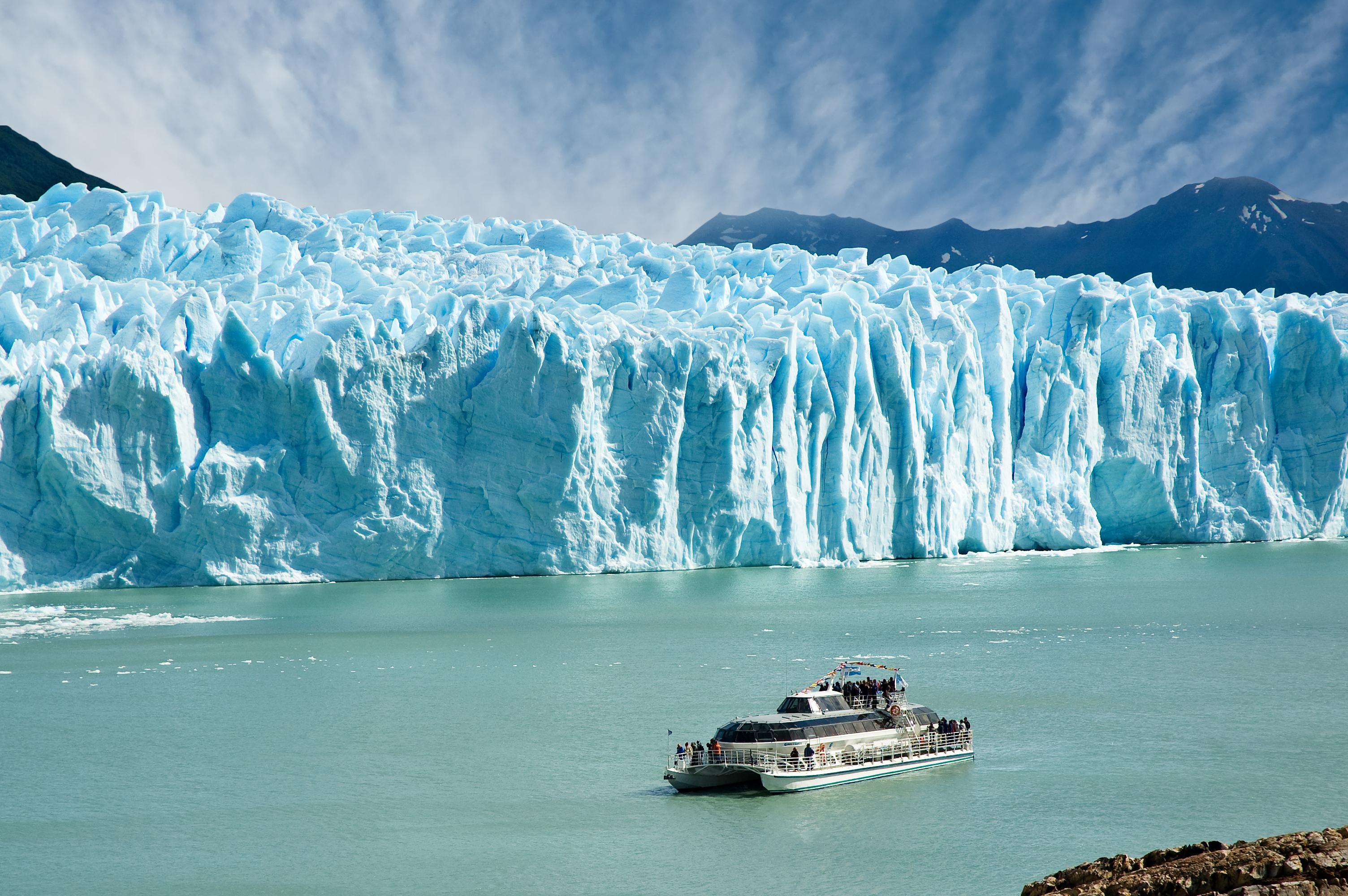
What Makes It Special: The star attraction here is the Perito Moreno Glacier, one of the few glaciers in the world that is still growing. Its massive ice walls, which rise up to 60 meters above the lake, are constantly shifting and calving, creating a stunning spectacle for visitors. El Calafate is also the perfect base for exploring the surrounding glacial landscapes, including other significant glaciers like Upsala and Viedma.
Impact of Sustainable Tourism: El Calafate has made significant strides in ensuring that tourism remains sustainable and minimizes its impact on the environment. The town has implemented waste management systems, and the Los Glaciares National Park has introduced measures to ensure that tourism does not disturb the delicate ecosystems of the glaciers. Local guides are trained in sustainable practices, ensuring that visitors understand the importance of preserving the natural surroundings.
Read Also: Discover top destinations for sailboat charters worldwide
What You Can Do:
- Glacier Viewing: Take a boat tour to get up close to the majestic Perito Moreno Glacier, or hike along the marked pathways for a panoramic view of the glacier from the visitor center.
- Ice Trekking: For the adventurous, ice trekking on the Perito Moreno Glacier is a unique experience that allows you to walk on the glacier with specialized gear, exploring its crevices and ice formations.
- Explore El Calafate Town: Stroll through the town’s charming streets, visit local artisan shops, and enjoy a meal at one of the many Argentine steakhouses.
Best Time to Visit: The summer months (December to March) are ideal, offering warm temperatures and clear skies. However, winter (June to September) offers fewer crowds and a serene atmosphere, though some activities may be limited due to weather conditions.
3. Ushuaia: The Southernmost City on Earth
Overview: Ushuaia, the capital of Tierra del Fuego province, is often dubbed the southernmost city in the world. Located on the southern coast of Argentina, it serves as a popular jumping-off point for Antarctic cruises, and its unique position offers access to a variety of landscapes, from mountains to sea and everything in between.
What Makes It Special: Ushuaia is surrounded by the stunning Martial Mountains and the Beagle Channel, making it a picturesque destination for outdoor activities. The city itself offers a blend of cultural experiences, with museums and historical sites that tell the story of its indigenous heritage and European settlers. Visitors can also enjoy panoramic views of the surrounding landscapes from the end of the world.
Impact of Sustainable Tourism: Ushuaia is a leader in eco-tourism and is deeply committed to preserving its natural environment. The region has set up conservation programs for the local flora and fauna, and many of the local tour companies offer eco-friendly options for exploring the area. Additionally, as a popular starting point for cruises to Antarctica, Ushuaia plays an important role in responsible tourism initiatives that aim to protect the fragile ecosystems of the polar regions.
What You Can Do:
- Trekking & Hiking: Explore the Martial Glacier or take a hike in Tierra del Fuego National Park, where the rugged terrain meets the waters of the Beagle Channel.
- Cruises on the Beagle Channel: Take a boat trip through the Beagle Channel to see wildlife like sea lions, penguins, and even the occasional whale.
- End of the World Train: Ride the famous “End of the World Train,” which takes you through the beautiful forests and landscapes of the region, offering spectacular views of the surrounding wilderness.
Best Time to Visit: Ushuaia is a year-round destination, but the best time to visit is during the summer months (December to March) when the weather is warmer and more activities are available. If you’re keen on experiencing the city’s winter charm and snowy landscapes, visit between June and September.
Conclusion:
Patagonia is a region that never fails to amaze, offering some of the world’s most stunning landscapes and unique wildlife. Whether you’re hiking through the dramatic landscapes of Torres del Paine, standing before the mighty glaciers of El Calafate, or exploring the southernmost city of Ushuaia, each of these destinations provides an unforgettable adventure.
Moreover, with the rise of sustainable tourism, these destinations are not only preserving their natural beauty for future generations but also ensuring that their communities benefit from the thriving tourism industry. Patagonia continues to be a model for how tourism can coexist with nature, allowing travelers to connect with the planet in meaningful and responsible ways.
So, pack your bags and start planning your Patagonian adventure it’s time to experience the wonders of the end of the world.